


Understanding the Differences Between Condensation and Other Types of Damp
Updated: Dec 26, 2025
Many homeowners and landlords in the Scunthorpe area face problems with moisture inside their properties. Often, the terms condensation and damp are used interchangeably, but they describe different issues that require distinct approaches to fix. Knowing the difference can save you time, money, and stress when dealing with moisture problems in your home.
Moisture can damage walls, ceilings, and furniture, and it can also affect your health by encouraging mold growth. This post explains what condensation and damp are, how to spot them, and what you can do to prevent or treat these problems effectively.
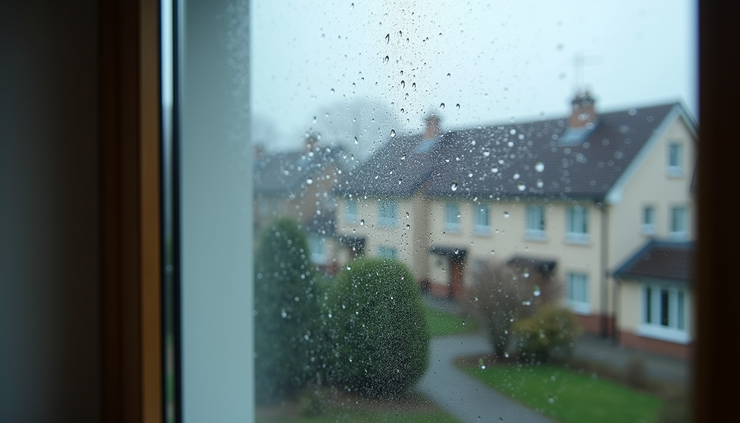
Condensation on windows is a common sign of excess moisture inside the home.
What Is Condensation?
Condensation happens when warm, moist air comes into contact with a cold surface, causing water droplets to form. This is a natural process and often occurs in kitchens, bathrooms, or rooms with poor ventilation. For example, when you boil water or take a hot shower, the steam increases humidity in the air. If the air touches cold windows or walls, condensation appears.
Signs of Condensation
Water droplets on windows, mirrors, or tiles
Damp patches on walls or ceilings, especially near windows or corners
Musty smells caused by mold growing on damp surfaces
Foggy or misted-up glass in the mornings or after cooking
Condensation is usually a surface problem and does not affect the structure of the building. It can be controlled by improving ventilation and reducing indoor humidity.
What Is Damp?
Damp refers to moisture that penetrates the fabric of the building, often from outside sources or plumbing issues. It can cause more serious damage than condensation because it affects walls, floors, and ceilings internally.
There are different types of damp:
Condensation Damp: Where condensation is being created repeatedly in the same areas.
Rising damp: Moisture from the ground rises up through walls due to a broken or missing damp-proof course.
Penetrating damp: Water enters through cracks in walls, damaged roofs, or leaking gutters.
Lateral damp: Moisture spreads sideways through walls, often from external leaks.
Signs of Damp
Dark, patchy stains on walls or skirting boards
Peeling or bubbling paint and wallpaper
Crumbling plaster or salt deposits on walls
A persistent damp smell or mold growth deep in walls
Cold, damp feeling walls
Damp problems often require professional treatment to repair the source of moisture and restore the building fabric.
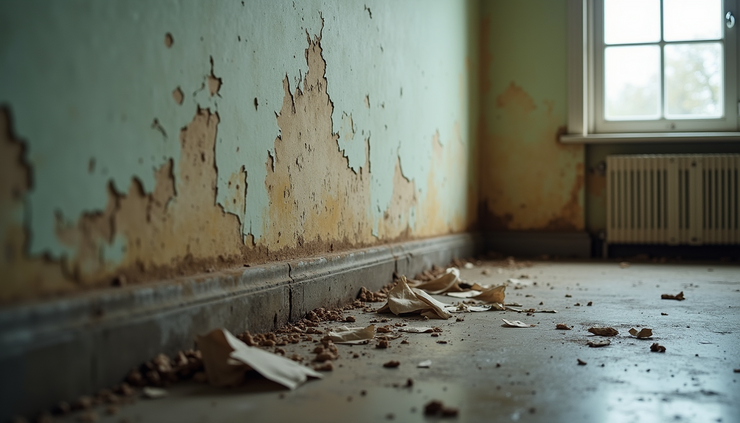
Damp stains and peeling paint indicate moisture penetrating the wall structure.
How to Tell Condensation Damp
Condensation Damp can be the easiest to fix. But it can be tricky to distinguish between condensation and oter types damp because both cause moisture and mold. Here are some practical tips:
Location: Condensation usually appears on cold surfaces like windows and corners, while damp can affect any wall, especially external walls.
Timing: Condensation is often worse in winter or after cooking and disappears when the air dries. Damp is constant and worsens over time.
Texture: Condensation leaves water droplets on surfaces. Damp causes walls to feel wet or soft and may cause plaster to crumble.
Smell: Both can cause musty odours, but damp smells tend to be stronger and more persistent.
If you are unsure, a damp specialist in Scunthorpe can inspect your property and provide a clear diagnosis.
How to Prevent and Treat Condensation
Controlling condensation focuses on reducing indoor humidity and improving airflow:
Use extractor fans in kitchens and bathrooms
Open windows regularly to ventilate rooms
Avoid drying clothes indoors or use a tumble dryer vented outside
Use a dehumidifier in rooms prone to moisture
Insulate cold surfaces like windows and walls to reduce temperature differences
These steps can be difficult to implement in cold waether but the will help keep your home dry and prevent condensation-related mold.
How to Prevent and Treat Damp caused by water ingress
Damp requires addressing the source of moisture:
Check gutters, downpipes, and roofs for leaks and repair them promptly
Ensure the damp-proof course is intact; consult a professional if rising damp is suspected
Seal cracks in walls and repair damaged plaster
Improve drainage around your property to prevent water pooling near foundations
Use breathable paint and plaster that allow walls to dry out naturally
Professional damp proofing treatments may include chemical injections, tanking, or installing ventilation systems.
Why Knowing the Difference Matters for Homeowners and Landlords
Understanding whether you have condensation or damp helps you take the right action. Treating condensation with damp-proofing chemicals will not solve the problem, and ignoring damp can lead to costly structural damage.
In Scunthorpe and Doncaster, where older homes are common, moisture problems can be frequent. Regular inspections and maintenance can prevent minor issues from becoming major repairs.
Call Howard on 07782 515 109 or click the button below to leave a message


Comments